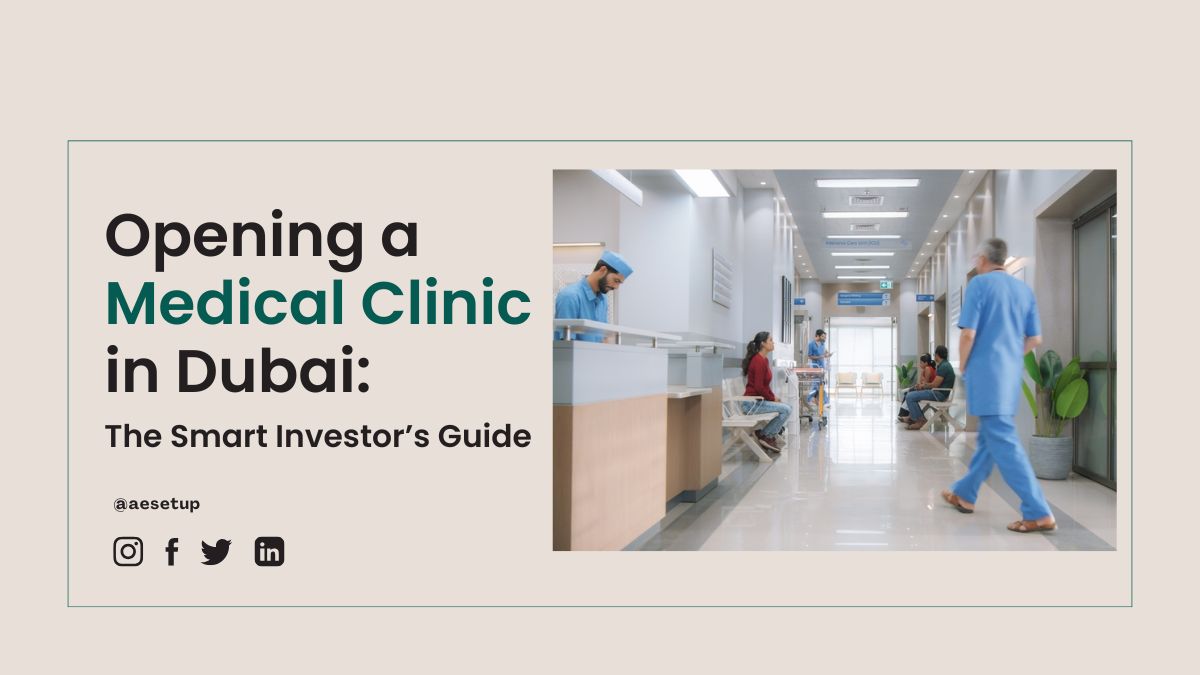
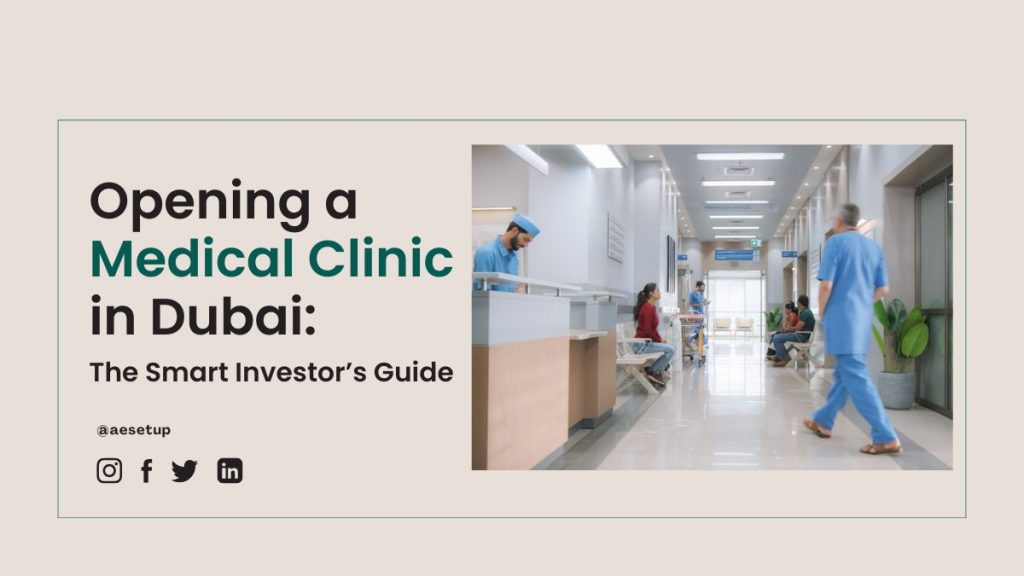
Opening a medical clinic in Dubai can be a smart move for doctors and healthcare entrepreneurs looking to grow their practice in a fast-developing city. Dubai has a growing population, rising healthcare needs, and an increase in medical tourism, which offers strong demand for private medical clinics across various specialities. From general practice clinics to specialised healthcare centres, the opportunities are wide and promising.
Dubai’s healthcare sector is known for its high standards, modern infrastructure, and strict regulations that ensure quality patient care. Authorities like the Dubai Health Authority (DHA) closely monitor medical services, which helps build trust among patients and investors alike. Add to this Dubai’s tax-friendly policies and business-friendly environment, and it’s easy to see why many professionals choose Dubai to start their medical journey.
That said, setting up a medical clinic involves more than just medical expertise. You’ll need the right licenses, approvals, and compliance in place. AE Setup helps simplify the entire process by guiding you through medical licensing, clinic approvals, visas, and PRO services, making your clinic setup in Dubai smooth and stress-free.
Why Start a Medical Clinic in Dubai in 2026?
Dubai’s fast-growing healthcare sector presents real opportunities for doctors and healthcare entrepreneurs looking to start their own clinic in 2026.
1. Growing demand for quality healthcare
Dubai’s population keeps growing, and so does the need for accessible, high-quality medical care. Along with residents, the city welcomes millions of visitors every year, many of whom seek medical consultations, diagnostics, or specialised treatments. This creates consistent demand for private clinics across general and specialised fields.
2. Mandatory health insurance
Since 2025, health insurance has become mandatory for all residents and employees across the UAE. This means your potential patients already have the financial means to pay for your services, leading to a much more stable and predictable flow of revenue.
3. Golden visa opportunities
Did you know that healthcare professionals and business investors are often eligible for the 10-year Golden Visa? Starting a clinic doesn’t just build a business; it can secure your long-term future in the UAE.
4. Tax-friendly business environment
Compared to many other countries, Dubai offers a very attractive tax structure. There is no personal income tax, and corporate tax rules are still relatively business-friendly. This allows clinic owners to reinvest more into their practice, technology, and patient care.
5. 100% foreign ownership options
Doctors and investors can fully own their medical clinics in Dubai, depending on the jurisdiction and structure chosen. This gives foreign professionals more control and confidence when setting up their medical business.
6. Opportunity for specialised and niche clinics
Dubai’s diverse population creates demand for specialised medical services, such as paediatrics, women’s health, mental health, physiotherapy, dermatology, and alternative medicine. If you have expertise in a specific field, Dubai offers room to build a niche and loyal patient base.
Types of Medical Clinics You Can Open in Dubai
Here are the most common types of medical clinics you can open:
1. General Clinic
This is the most common starting point for many healthcare entrepreneurs. A general clinic usually focuses on primary care, where General Practitioners (GPs) treat common illnesses, conduct routine check-ups, and manage minor infections. It’s the neighbourhood doctor model that every community needs.
2. Specialised Clinic
If you are an expert in a specific field, this is the license for you. A specialised clinic focuses on one single area of medicine. Popular examples in Dubai include:
- Dental Clinics: Focusing on everything from general dentistry to orthodontics.
- Dermatology & Aesthetic Clinics: Very popular due to Dubai’s high demand for skincare and cosmetic treatments.
- Pediatric Clinics: Specialised care for children and infants.
- Orthopaedic or Cardiology Clinics: Providing targeted care for bone or heart health.
3. Polyclinic
A polyclinic offers multiple medical specialities under one roof. It usually includes several doctors, diagnostic services, and sometimes a pharmacy. Polyclinics attract higher patient footfall but also require more space, approvals, and investment.
4. Diagnostic & Day Care Clinics
These clinics focus on diagnostic services such as lab testing, radiology, physiotherapy, or day-care procedures that do not require overnight hospital stays. They are ideal for professionals looking for a focused and operationally efficient setup.
5. Alternative & Complementary Medicine Clinics
Dubai also allows clinics offering alternative treatments such as Ayurveda, Homoeopathy, Chiropractic, Acupuncture, and Traditional Chinese Medicine, provided they meet the licensing criteria set by health authorities.
6. Specialised Units (Niche Services)
There are also very specific licenses for unique healthcare needs, such as:
- Home Healthcare Agencies: Providing nursing and doctor visits at a patient’s home.
- Physiotherapy and Rehabilitation Centres: Helping patients recover from injuries or surgery.
- Telehealth Centres: Offering remote consultations through digital platforms.
Some healthcare entrepreneurs also consider a Medical Equipment Trading Business in Dubai alongside their clinic setup, especially when looking at long-term expansion or supply-chain control.
What are the Eligibility Criteria to Open a Medical Clinic in Dubai?
Opening a medical clinic in Dubai is open to both doctors and investors, but certain eligibility conditions must be met to ensure patient safety and regulatory compliance. Below are the key criteria you should be aware of:
Who can open a medical clinic?
A medical clinic in Dubai can be owned by:
- Licensed doctors or medical professionals
- Investors or entrepreneurs (even if they are not doctors), provided qualified medical professionals are appointed to run the clinic
This makes Dubai attractive not just for practitioners, but also for healthcare investors.
Requirements for the Owner (Investor):
You do not actually need to be a doctor to own a medical clinic in Dubai. An entrepreneur or an investor can be the 100% owner of a healthcare facility.
- Legal Standing: You must have a clean criminal record and provide a valid passport copy.
- Financial Capability: You must demonstrate that you have the funds to set up and operate the facility (usually verified via bank statements).
- Trade Name & License: You must obtain a commercial license from the DET (for Mainland) or the relevant Free Zone authority (like DHCC).
The Role of the Medical Director:
Even if you own the clinic, the DHA requires you to appoint a Medical Director who is responsible for all clinical operations.
- Qualifications: The Director must be a DHA-licensed physician or a qualified healthcare administrator with a degree in healthcare management.
- Licensing: They must be registered and approved by the DHA specifically for your facility.
Professional Requirements for Medical Staff:
All doctors, nurses, and technicians you hire must meet the Professional Qualifications Requirements (PQR):
- Accredited Degrees: Qualifications must be from recognised international universities.
- Experience: Most General Practitioners (GPs) need at least 2 years of post-internship experience. Specialists usually need 3+ years.
- DataFlow Verification: All degrees and certificates must undergo Primary Source Verification (DataFlow) to prove they are genuine.
- DHA Exam: Unless they are from an exempt country (like the UK, USA, or Australia in certain cases), staff must pass the DHA Prometric exam.
Facility & Building Standards:
The clinic itself must meet eligibility standards before it can open:
- Space Requirements: There are minimum square footage rules for consultation rooms, waiting areas, and sterilisation rooms.
- Accessibility: The facility must be accessible to people with disabilities (POD-friendly).
- Location: The building must be approved for medical use. You cannot open a clinic in a standard residential apartment; it must be a commercial space with a proper Ejari (lease) agreement.
DHA professional licensing is mandatory: Every medical professional must obtain a DHA license (or DHCC/MOHAP license, depending on the jurisdiction). This includes passing eligibility checks, credential verification, and assessments where required. Without this approval, a clinic cannot operate.
Mainland vs Free Zone: Where Should You Set Up Your Dubai Medical Clinic?
Both options are legal and widely used, but the right choice depends on your target patients, clinic type, and long-term plans.
A. Medical Clinic in Dubai Mainland
Setting up a clinic on the Mainland allows you to operate directly within residential and commercial areas across Dubai. This option is ideal if you want easy access to local patients and walk-in traffic.
Why choose Mainland?
- Freedom to open clinics in residential communities
- Direct access to local and insured patients
- No restriction on serving patients anywhere in Dubai
- Suitable for general clinics, dental clinics, and family practices
Things to keep in mind:
Mainland clinics require approvals from the Dubai Health Authority (DHA) and other local authorities. Location approval and facility compliance are closely monitored, but this also helps build patient trust.
B. Medical Clinic in Dubai Free Zones
Free Zones like Dubai Healthcare City (DHCC) are designed specifically for healthcare businesses. They offer a well-regulated environment and are popular for specialised and international-focused medical services.
Why choose Free Zone?
- Healthcare-focused infrastructure and ecosystem
- 100% foreign ownership
- Easier access to international patients
- Suitable for specialised clinics, day surgery centres, and diagnostics
Things to keep in mind:
Free Zone clinics are usually limited to operating within the Free Zone area. This may not be ideal if your business relies heavily on neighbourhood walk-in patients.
Documents Required to Open a Medical Clinic in Dubai
Opening a medical clinic in Dubai involves submitting documents for both business licensing and medical approvals. This generally includes:
1. Personal documents of owners and partners:
- Passport copies of all owners, shareholders, and partners
- UAE visa copy (if available)
- Emirates ID (for residents, if applicable)
- Passport-sized photographs
2. Professional documents of medical staff:
- Educational certificates (medical degrees and diplomas)
- Professional experience certificates
- Valid medical license (home country or previous country of practice)
- Good Standing Certificate from the relevant medical authority
3. Medical licensing & verification documents:
- DataFlow verification reports
- Primary Source Verification (PSV) documents
- DHA eligibility letter or professional license approval
4. Business setup documents:
- Trade name reservation certificate
- Initial approval from the Department of Economy & Tourism (DET) or Free Zone authority
- Memorandum of Association (MOA), if applicable
5. Clinic location & facility documents:
- Tenancy contract (Ejari)
- Approved clinic layout and floor plan
- Fit-out drawings and medical room allocation
- Site inspection approval from DHA or the relevant authority
6. Compliance & safety approvals
- Civil Defence approval (fire & safety)
- Medical waste management agreement
- Infection control and hygiene compliance documents
How to Start a Medical Clinic in Dubai? Step-by-Step Process
Starting a medical clinic in Dubai is a journey that involves two major authorities: the business experts at the DET (Department of Economy and Tourism) and the medical experts at the DHA (Dubai Health Authority).
To help you stay organised, here is the exact step-by-step process for 2026.
Step 1: Business Registration (The DET Phase)
Before you can apply for a medical license, you need to establish your company as a legal business entity.
- Trade Name Reservation: Pick a name for your clinic and get it approved. It must clearly reflect the medical activity you’ll be performing.
- Initial Approval: Submit your passport copies and business plan to the DET to get the green light to start the process.
- Ejari (Lease Agreement): You must rent a commercial space. This space will need to be inspected later, so ensure it meets the size requirements for your specific clinic type.
Step 2: The Sheryan Portal Registration (The DHA Phase)
Everything related to healthcare happens on the DHA’s Sheryan portal.
- Create an Account: Register as an investor or a facility owner.
- Initial DHA Approval: Upload your DET initial approval and your clinic’s Feasibility Study. This is where you explain exactly what services you’ll offer (e.g., General Medicine, Paediatrics, etc.).
Step 3: Floor Plan Approval
This is a critical step in the process.
- Engineering Review: You must submit a detailed floor plan (layout) of your clinic.
- Standards: The DHA has strict rules about room sizes, sterilisation zones, and even the type of flooring. Do not start your fit-out (construction) until the DHA approves these drawings.
Step 4: Medical Director & Staff Hiring
You cannot open a clinic without the right people in place.
- Appoint a Medical Director: This person must be a DHA-licensed physician or a qualified healthcare administrator. They are responsible for the clinic’s medical safety
- DataFlow Verification: All your doctors and nurses must have their degrees and experience verified through the “DataFlow” background check.
- DHA Exams: Your staff must pass the Prometric exam (if applicable) to get their individual licenses.
Step 5: Final Inspection & Activation
Once your clinic is physically ready and your staff is hired:
- Final Inspection: Request an inspection through Sheryan. A DHA officer will visit to check your equipment, waste management protocols, and overall safety.
- Civil Defence & Waste Management: Provide your Civil Defence certificate (fire safety) and your contract with a medical waste disposal company.
- NABIDH Integration: Ensure your clinic’s software is connected to Dubai’s central health record system (NABIDH).
- Get Your License: Once the inspector gives the “Pass,” pay your final fees, and your medical clinic license in Dubai will be activated.
Note: The process can take anywhere from a few weeks to a few months, depending on how quickly you get your approvals. AE Setup specialises in handling the back-and-forth between the DET and DHA, ensuring your floor plans are correct the first time and your staff’s paperwork is processed without delays.
How Much Does It Cost to Open a Medical Clinic in Dubai?
For a general medical clinic in Dubai, the license cost usually starts from around AED 20,000 and can go up to AED 40,000 or more, depending on the scope of services and location. If you’re planning a specialised medical clinic – such as dermatology, dental, or orthopaedics- the license cost is typically higher. In most cases, it ranges between AED 25,000 and AED 60,000 or more, as specialised services require additional approvals and compliance checks.
Authority Approvals & Inspection Fees:
Before your clinic can open, you’ll need approvals and inspections from various authorities like DHA, DHCC, Civil Defence, Municipality, and the Department of Economy & Tourism (DET):
- DHA / DHCC Professional Licensing: AED 3,000 – 8,000 per medical professional (doctor, nurse, technician)
- Facility Approval & Inspection Fees: AED 5,000 – 15,000+
- Civil Defence Fire & Safety Approval: AED 2,000 – 6,000+
- Municipality/Public Health Fees: AED 2,000 – 8,000+
Professional Licensing & Verification Costs:
Each medical professional working at your clinic must be licensed by the relevant health authority:
- Professional License Application & Verification: AED 1,500 – 5,000+ per professional
- DataFlow/PSV Verification: AED 800 – 2,000+ per professional
- Exam or Assessment Fees (if required): AED 500 – 2,500+
Staff & Ongoing Operational Costs:
Even before opening, you’ll need to budget for staff:
- Salaries & Benefits: Depends on roles and experience
- Visa, Medical Insurance & Emirates ID Costs: AED 3,000 – 7,000+ per person
- Clinic Consumables & Supplies: AED 5,000 – 20,000+ initially
Clinic Location, Space & Infrastructure Requirements
Here are the essential requirements for your clinic’s layout and infrastructure in 2026.
Location & Accessibility:
- Commercial Zoning: Clinics must be in commercial buildings or converted villas approved by the Dubai Municipality.
- POD Friendly: Your facility must be accessible to “People of Determination” with ramps, wide doorways (min. 120cm), and accessible restrooms.
- Parking: You must provide dedicated parking for patients and a designated ambulance drop-off point.
Minimum Space Requirements:
The DHA mandates specific sizes for key clinical areas to ensure quality care:
- Consultation Room: Minimum 12 sq. meters with space for a desk and examination couch.
- Treatment Room: Minimum 14–16 sq. meters for procedures.
- Sterilisation Area (CSSD): A dedicated zone (5–8 sq. meters) with a clear one-way workflow from dirty to sterile.
- Waiting Area: Must be separate from clinical zones with adequate seating for patient flow.
Infrastructure & Safety:
- Hygiene Stations: Every clinical room must have a hands-free (sensor or elbow-operated) washbasin.
- Antimicrobial Finishes: Floors and walls must be non-porous, antibacterial, and easy to disinfect (e.g., medical-grade vinyl).
- HVAC Systems: Centralised AC must include specialised filters to maintain strict air quality and temperature (18–22°C).
- Waste Management: A secure, locked room is required for the temporary storage of biomedical waste.
Take the Next Step Toward Your Medical Clinic in Dubai
Starting a medical clinic in Dubai is a strong long-term opportunity, especially with the city’s growing healthcare demand and well-structured regulatory system. Planning early and staying compliant with healthcare regulations is essential to avoid delays and unexpected costs. From medical licensing and facility approvals to renewals and audits, every step matters in keeping your clinic running smoothly and legally.
All Emirates Setup helps simplify the entire process- from setting up your medical clinic and securing approvals to managing visas and post-setup compliance. With expert support at every stage, you can move forward with confidence and build your medical practice in Dubai the right way.