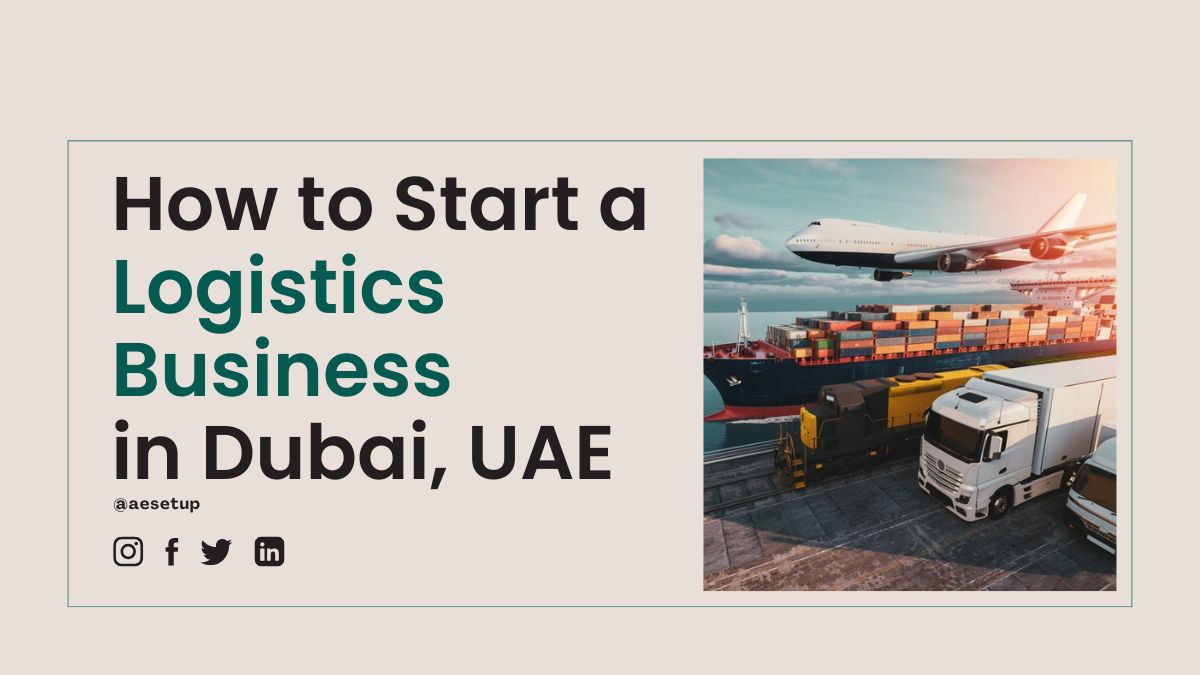
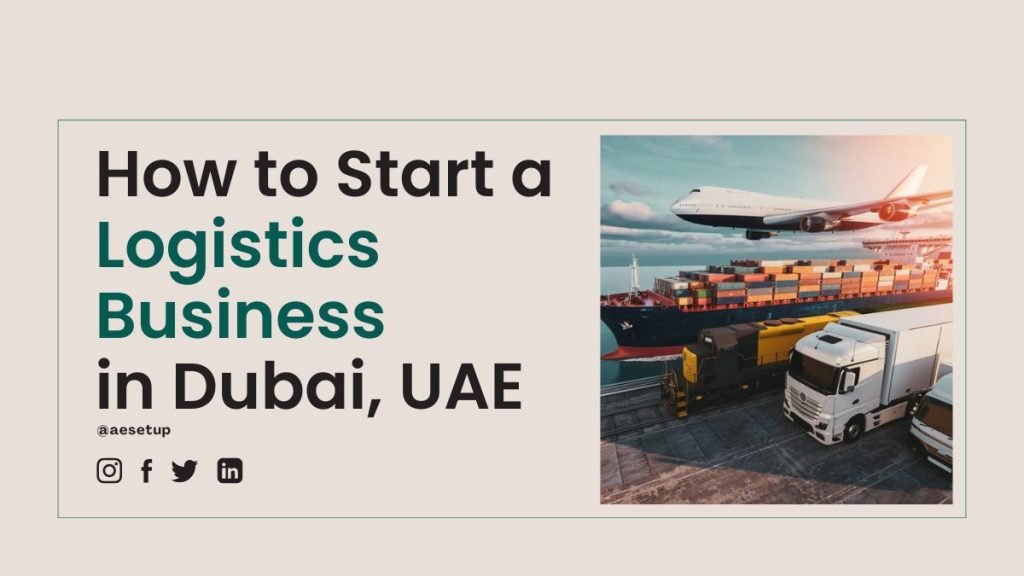
Starting a logistics business in Dubai can be a smart move if you’re looking to enter a fast-growing and future-ready industry. Dubai sits right between Asia, Europe, and Africa, which makes it a natural meeting point for global trade. Every day, goods move in and out of the city by air, sea, and road, which creates endless opportunities for logistics, transport, warehousing, and delivery businesses to grow and scale.
With a logistics market now worth over $23 billion, there has never been a better time for new entrepreneurs to jump in. Starting a logistics business here offers a rare combination of world-class infrastructure led by the massive Jebel Ali Port and the ever-expanding Al Maktoum International Airport, and a pro-business regulatory environment. On top of that, the rise of e-commerce, retail, and international trade has pushed the demand for reliable logistics services even higher in Dubai.
Why Start a Logistics Business in Dubai?
There’s a reason why so many logistics companies choose Dubai as their base, and it goes beyond just location.
1. E-commerce and last-mile delivery are booming
The rise of online shopping has completely changed logistics in the UAE. Faster deliveries, efficient warehousing, and strong last-mile services are now essential. This shift has opened up new opportunities for logistics startups, especially in delivery, fulfilment, and warehousing services.
2. Access to a Global Workforce
Because Dubai is a talent magnet, you can easily hire experienced logistics professionals from all over the world – experts who know the shipping lanes of Europe, the manufacturing hubs of China, and the local routes of the Middle East.
3. A business environment that supports growth
Dubai makes it relatively easy for entrepreneurs to start and operate logistics companies. With 100% foreign ownership, clear licensing structures, and flexible setup options in both Mainland and Free Zones, business owners can focus more on operations and growth instead of paperwork.
4. A city built for global movement
Dubai’s biggest advantage is how naturally it fits into the logistics business. Sitting between Asia, Europe, and Africa, the city acts as a global crossroads for trade. For logistics companies, this means shorter transit times, smoother international shipping, and easier access to multiple markets from one central base.
5. Reliable regulatory systems and digital processes
Compared to many global markets, Dubai offers clear rules and increasingly digital processes for licensing, customs, visas, and compliance. This reduces uncertainty and delays, helping logistics companies plan operations better and maintain smoother day-to-day workflows.
6. The CEPA Golden Ticket
The UAE has been signing Comprehensive Economic Partnership Agreements (CEPA) with countries like India, Indonesia, Turkey, and many others. These agreements drastically reduce or even eliminate customs duties on thousands of products. If your logistics business handles goods from these countries, you can offer your clients much lower costs than competitors based in other parts of the world.
Types of Logistics Businesses You Can Start in Dubai
Dubai’s logistics sector is broad, which means you’re not limited to just one type of business model. Depending on your budget, experience, and target market, you can choose from several logistics services that are in steady demand.
- Freight forwarding services: This involves managing the movement of goods by air, sea, or land. Freight forwarders handle shipping coordination, documentation, customs clearance, and delivery. It’s a popular option for businesses dealing with international trade.
- Warehousing and storage services: Warehousing businesses focus on storing goods safely before they are distributed. This can include general storage, bonded warehouses, or specialised facilities for food, pharmaceuticals, and temperature-sensitive products.
- Courier and last-mile delivery services: With the growth of e-commerce, courier and delivery services are in high demand. These businesses handle door-to-door deliveries within the UAE, including same-day or next-day delivery for online retailers.
- Cold chain logistics: Cold chain logistics supports industries like food, pharmaceuticals, and healthcare. This business requires temperature-controlled storage and transportation to ensure product quality and safety throughout the supply chain.
- Third-party logistics (3PL) services: 3PL companies manage complete logistics operations for other businesses. This includes storage, inventory management, order fulfilment, and distribution, allowing clients to focus on their core operations.
- E-commerce fulfilment services: These businesses handle online order processing, packaging, inventory management, and delivery for e-commerce brands. As online shopping grows in the UAE, fulfilment centres are becoming increasingly important.
Mainland vs Free Zone: Choosing the Right Jurisdiction
Choosing where to register your business is the most important decision you’ll make. In Dubai, you have two main paths: Mainland or Free Zone.
1. Logistics Business Setup in Dubai Mainland
If you want to move goods freely across the entire UAE, work with government entities, or open several branches across the city, the Mainland is your best bet.
- Market Access: You can trade directly with any business or customer in the UAE without restrictions.
- Physical Presence: You are required to rent a physical office or warehouse. This is great for logistics businesses that need large storage spaces or a fleet yard.
- Ownership: Most logistics activities allow for 100% foreign ownership on the mainland.
- Key Authority: You will be licensed by the Department of Economy and Tourism (DET) and must get approvals from the RTA (Roads and Transport Authority) for your vehicles.
2. Logistics Business Setup in Dubai Free Zones
Free Zones are special economic areas designed for international trade. They are usually located right next to major ports and airports.
- Ownership & Tax: You get 100% ownership guaranteed, and most zones offer 0% corporate tax if you meet certain criteria. You also pay 0% import/export duties as long as the goods stay within the zone or go international.
- Market Access: You are technically outside the UAE for customs. To sell directly to the mainland market, you usually need to use a local distributor or agent.
- Setup Speed: The process is often faster, with the Free Zone acting as your one-stop shop for licensing and visas.
Best Free Zones for Logistics:
- JAFZA (Jebel Ali): The most popular optionto start a logistics business. It’s connected to the world’s largest man-made port. Best for heavy shipping and international trade.
- Dubai South: Located right next to Al Maktoum International Airport. This is the future of air cargo and e-commerce fulfilment.
- DAFZA: Right next to Dubai International Airport (DXB). Perfect for high-value, lightweight goods that need to move fast by air (like electronics or fashion).
- IFZA: A very popular choice for consultants and freight forwarders who don’t need a huge physical warehouse immediately.
Trade License Required for a Logistics Business in Dubai
To legally operate a logistics business in Dubai, you need the right logistics trade license from the relevant government authority. This license allows your company to offer logistics-related services such as transportation, warehousing, freight forwarding, customs handling, and other supply-chain activities.
Logistics or Freight Forwarding Trade License:
The core requirement for any logistics business in Dubai is a logistics or freight forwarding trade license. This licence is issued by the Dubai Department of Economy and Tourism (DET) for Mainland companies, or the relevant Free Zone Authority (like JAFZA, IFZA, Dubai South, DAFZA, etc.) for Free Zone companies.
This trade license legally registers your business and specifies the logistics activities you can perform.
RTA Permit:
If your business involves owning or operating a fleet (vans, trucks, or motorbikes) on Dubai’s roads, you cannot start until you have a No Objection Certificate (NOC) and an Operating Permit from the Roads and Transport Authority (RTA).
- Vehicle Permits: Every commercial vehicle in your fleet must have an RTA permit to carry goods.
- Activity Approval: The RTA must specifically approve your license activity (e.g., “Freight Transport by Heavy Trucks” or “Delivery Services”).
- Driver Requirements: Your drivers must hold the correct UAE commercial driving license for the vehicle class they are operating.
Other Essential Approvals:
Depending on what you are moving, you may need special permissions from other government bodies:
- Dubai Customs: Essential for any business involved in importing or exporting goods. You will need to register and get a Customs Code.
- Dubai Municipality: Required if you are transporting food, chemicals, or health-related items (to ensure safety and hygiene standards).
- General Civil Aviation Authority (GCAA): Necessary if you are specialising in air freight or operating near the airport.
Documents Required for Logistics Company Formation:
To get your trade logistics license in Dubai, you generally need to provide:
- Passport copies of all shareholders
- UAE visa copy (if shareholder or manager is a UAE resident)
- Emirates ID copy (if applicable)
- Trade name reservation certificate
- Initial approval certificate
- Memorandum of Association (MOA) or Free Zone incorporation documents
- Office or warehouse lease agreement (Ejari, if Mainland)
- RTA approval documents
How to Start a Logistics Business in Dubai?
If you’re wondering how to get started, here’s a simple step-by-step breakdown of starting a logistics business in Dubai.
1. Decide your logistics business activities
Start by clearly defining the logistics services you plan to offer. This could include freight forwarding, warehousing, transportation, courier services, or e-commerce fulfilment. Your chosen activities will determine the type of trade license and approvals required.
2. Choose between Mainland or Free Zone setup
Select the jurisdiction that best matches your business model. Mainland companies are ideal for serving the local UAE market, while Free Zones work well for international trade, re-export, and specialised logistics operations.
3. Reserve your trade name
Apply for a unique trade name that complies with UAE naming guidelines. The name must reflect your business activity and should not violate any trademark or regulatory rules.
4. Apply for initial approval
Once the trade name is approved, apply for initial approval from the Department of Economy & Tourism (for Mainland) or the chosen Free Zone Authority. This confirms that the government has no objection to your business setup.
5. Arrange office or warehouse space
Secure a physical office or warehouse space as per your business requirements. Mainland businesses must register the lease through Ejari, while Free Zones offer flexi-desks, offices, or warehouses within their premises
6. Obtain RTA & Customs approvals
This is the most critical step for logistics:
- RTA (Roads and Transport Authority): If you own a fleet, you must get an NOC from the RTA. They will review your warehouse/office layout and your vehicle safety plans.
- Dubai Customs: If you are importing or exporting, you must apply for a Customs Code to clear your shipments.
7. Prepare and submit final documents
Submit all required documents, including MOA, lease agreement, shareholder details, and approvals, to complete the licensing process.
8. Receive your logistics trade license
After a successful review, your logistics trade license will be issued, officially allowing you to operate in Dubai.
9 Apply for visas and open a corporate bank account
Once licensed, you can apply for investor and employee visas and open a corporate bank account to manage business transactions.
Note: With AE Setup, you get expert guidance at every step, from licensing and approvals to visas and banking support.
What is the Cost of Starting a Logistics Business in Dubai?
The main cost you’ll incur at the beginning is your trade license fee. This varies depending on the authority and type of setup:
- Mainland Logistics License: Expect to pay between AED 15,000 and AED 30,000. This covers the registration with the Department of Economy and Tourism (DET).
- Free Zone Logistics License: These are often bundled into packages. Expect to pay between AED 12,000 and AED 25,000.
Other Essential Startup Costs:
In addition to the trade license, you’ll need to budget for several other essential setup costs:
| Cost Component | Estimated Price (AED) | Frequency |
| Trade Name & Initial Approval | AED 1,000 – AED 2,500 | One-time |
| RTA Fleet Permit | AED 5,000 – AED 15,000 | Annual |
| Customs Code Registration | AED 1,000 – AED 5,000 | One-time |
| Residency Visa (per person) | AED 4,000 – AED 7,500 | Every 2-3 years |
| Corporate Bank Account Deposit | AED 25,000 – AED 50,000 | Refundable/Minimum Balance |
| Warehouse Rent (Small) | AED 40,000 – AED 80,000+ | Annual |
| Professional Liability Insurance | AED 3,000 – AED 7,000 | Annual |
These costs are estimated and can change depending on your setup. To get a clear and customised cost structure, you can speak with the experts at AE Setup.
Ready to Build Your Logistics Business in Dubai?
Dubai doesn’t just support logistics businesses; it depends on them. From global trade routes and nonstop cargo movement to the surge in e-commerce and regional distribution, logistics is deeply woven into how the city functions. Of course, a strong market alone isn’t enough if the setup isn’t done right. Licensing, approvals, jurisdiction choices, and compliance can quickly slow things down if handled without experience.
That’s where All Emirates Setup adds real value. AE Setup goes beyond basic company formation, helping you make the right decisions, avoid delays, manage documentation, secure visas and banking, and stay compliant as your business grows. If you’re serious about building a logistics business in Dubai, starting with the right guidance can save you time, cost, and a lot of unnecessary stress.