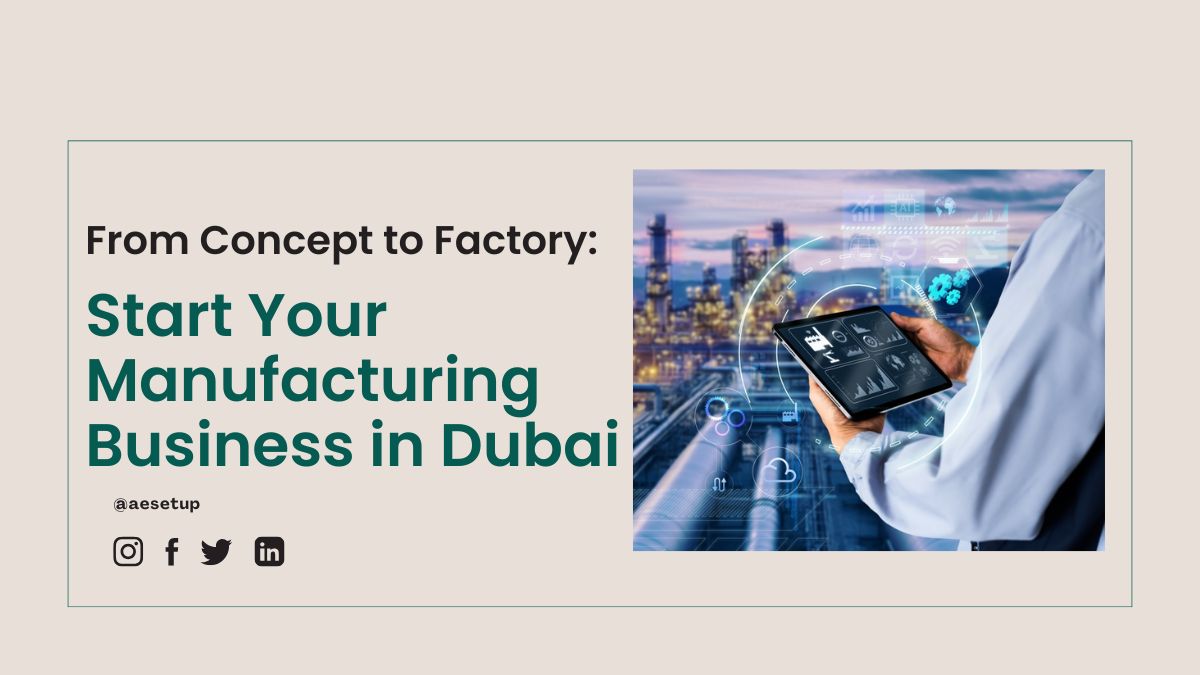
If you’ve ever dreamed of seeing your products on shelves with a “Made in UAE” label, there has never been a better time to start than 2026. The UAE, especially Dubai, is actively encouraging local production across sectors like food processing, construction materials, pharmaceuticals, electronics, and industrial goods. With strong government support, modern industrial zones, and easy access to global markets, starting a manufacturing business in Dubai has become more practical and profitable than ever before.
Another big reason behind this growth is the rising demand for made-in-UAE products. With supply chain disruptions and rising import costs worldwide, local manufacturing has become more valuable than ever. The UAE now actively supports businesses that manufacture within the country through dedicated industrial zones, simplified licensing, and long-term economic strategies. If you’re considering starting a manufacturing business in Dubai, 2026 could be the perfect time, and we will help you get started the right way.
Why Start a Manufacturing Business in Dubai in 2026?
If you’re thinking about manufacturing in the UAE, 2026 is one of the best times to get started. Here’s why:
1. Massive Government Backing (Operation 300bn)
The UAE is on a mission to increase the industrial sector’s contribution to the economy from AED 133 billion to AED 300 billion by 2031. In 2026, we are right in the Golden Phase of this plan. This means the government isn’t just allowing you to work; they are actively helping you with flexible financing and lower utility costs.
2. Growing Local & Regional Demand
The UAE imports a large portion of its consumer and industrial goods, but that’s changing fast. Businesses now prefer sourcing products locally because it’s quicker, more reliable, and cost-effective. From food items and packaging to construction materials and spare parts, demand for locally manufactured products is rising across the UAE and GCC.
3. Favourable Tax & Ownership Laws
The rules have never been more investor-friendly:
- 100% Ownership: You can own 100% of your manufacturing business on the Dubai Mainland in most industrial categories.
- Competitive Tax: While a 9% corporate tax exists, it only applies to profits above AED 375,000, and many manufacturers in Free Zones still enjoy 0% tax on qualifying income.
4. Easier Import of Machinery & Raw Materials
Dubai’s ports and customs systems are built for trade. Importing machinery, spare parts, or raw materials is relatively smooth, with efficient clearance processes and strong logistics support, saving both time and cost during setup and ongoing operations.
5. AI and Industry 4.0 Integration
Dubai AI Campus and the Smart Manufacturing Incentive Programme are in full swing. The government is helping small and medium manufacturers (SMEs) upgrade to AI-driven machines. You have access to the Dubai AI Academy, which is training over 10,000 professionals to manage high-tech production lines, ensuring you don’t have to look far for skilled workers.
6. Faster Setup Compared to Many Countries
While manufacturing approvals do take time, Dubai’s process is still faster and more transparent than in many other countries. Clear regulations, online government portals, and defined approval steps help manufacturers plan timelines better and avoid unexpected delays.
Types of Manufacturing Businesses You Can Start in Dubai
Here are the most profitable types of manufacturing businesses you can start in Dubai right now:
1. Light Manufacturing
Light manufacturing is one of the most popular options in Dubai, especially for startups and SMEs. It usually involves assembly, packaging, or processing with limited use of heavy machinery.
Examples: food packaging, bottled water, cosmetics, garments, plastic products, printing, and labeling.
2. Food & Beverage Manufacturing
With the UAE’s growing population and tourism sector, food manufacturing is in constant demand. The government also strongly supports local food production for food security.
Examples: snacks, bakery items, dairy products, ready-to-eat meals, spices, beverages, and bottled juices.
3. Industrial & Heavy Manufacturing
This type involves larger factories, higher investment, and heavy machinery. These businesses usually operate in dedicated industrial zones.
Examples: steel fabrication, construction materials, machinery parts, chemicals, cables, and industrial equipment.
4. FMCG & Consumer Goods Manufacturing
Fast-moving consumer goods (FMCG) are always in demand in the UAE and GCC markets. Local production helps brands reduce import costs and delivery times.
Examples: household cleaning products, personal care items, paper products, hygiene goods, and packaging materials.
5. Textile & Garment Manufacturing
Dubai is a strong hub for textile trading and exports, making it ideal for manufacturing and finishing activities.
Examples: garments, uniforms, fabrics, embroidery units, and fashion accessories.
6. Electronics & Electrical Manufacturing
This sector is growing as Dubai moves toward advanced and tech-based manufacturing.
Examples: electronic components, LED lighting, electrical panels, wiring accessories, and small appliances.
7. Pharmaceutical & Medical Manufacturing
The UAE is investing heavily in healthcare and medical self-reliance, making this a high-potential sector (though approvals are more regulated).
Examples: medicines, medical devices, sanitizers, surgical equipment, and healthcare consumables.
8. Plastic, Rubber & Packaging Manufacturing
Packaging demand continues to rise across food, retail, and e-commerce sectors.
Examples: plastic containers, bottles, films, cartons, corrugated boxes, and industrial packaging.
9. Contract Manufacturing & Private Label Production
Many brands prefer outsourcing production while focusing on marketing and sales. Dubai is ideal for this model due to its logistics and regulatory environment.
Examples: private-label food items, cosmetics, supplements, and consumer products.
10. Green & Sustainable Manufacturing
Sustainability is becoming a major focus in the UAE. Eco-friendly manufacturing businesses are gaining attention and support.
Examples: recycled products, biodegradable packaging, solar components, energy-efficient materials, and sustainable construction products.
Top Industrial Areas & Free Zones for Manufacturing in Dubai
The right industrial area or free zone can reduce logistics costs, improve access to markets, offer better incentives, and simplify your setup process. Here are some of the best options for manufacturing in Dubai in 2026:
1. Jebel Ali Free Zone (JAFZA)
One of Dubai’s largest and oldest industrial hubs, JAFZA is home to thousands of companies, including many manufacturers. Its location next to Jebel Ali Port (one of the world’s busiest ports) and close proximity to major highways and the airport makes it ideal for export-oriented manufacturing and heavy industries. Many global businesses choose JAFZA for its integrated logistics and trade advantages.
2. Dubai Industrial City (DIC)
Designed specifically to support industrial and manufacturing businesses, Dubai Industrial City focuses on key sectors such as food & beverage, machinery, transport equipment, chemicals, and metals. It offers dedicated industrial plots, warehouses, and ready-built facilities near Jebel Ali Port and Al Maktoum International Airport, making it ideal for both local manufacturing and export operations.
3. Dubai South
Situated near Al Maktoum International Airport, Dubai South combines industrial and logistics advantages with excellent global connectivity. It’s well-suited for manufacturers that depend on fast air freight and distribution networks, and supports integrated solutions that combine production, storage, and shipping.
4. Dubai Investment Park (DIP)
Dubai Investment Park is a mixed industrial and commercial zone that caters to manufacturing, logistics, and service businesses. Its strategic location along Sheikh Mohammed Bin Zayed Road, with easy access to ports and major Dubai markets, makes it a practical choice for medium-to-large manufacturers.
5. Al Quoz & Other Industrial Areas
While not free zones, well-established industrial areas like Al Quoz, Ras Al Khor, Al Qusais, and Umm Ramool remain popular for smaller manufacturing units, workshops, fabrication shops, and light industrial activities due to their affordable space and flexible facility options within the city.
6. Dubai Airport Free Zone (DAFZA)
Located next to Dubai International Airport, DAFZA is excellent for manufacturers focused on high-value goods, precision products, or export via air freight. Its world-class infrastructure and global connectivity help speed up deliveries and supply chain operations.
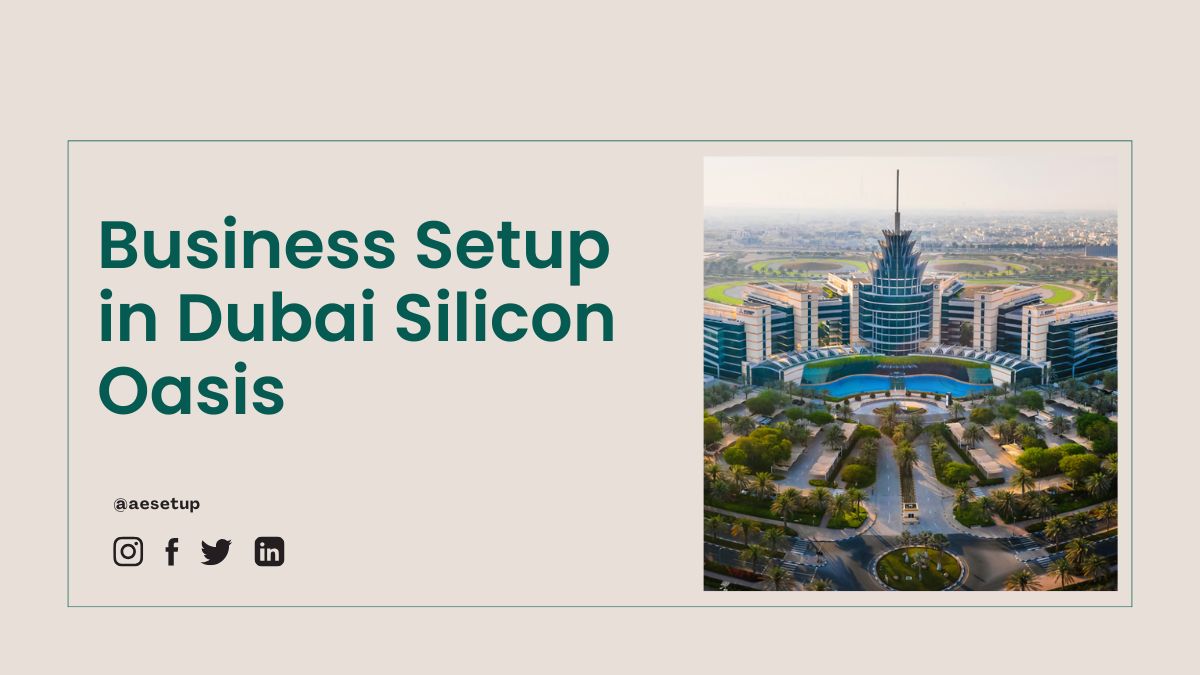
7. Dubai Silicon Oasis (DSO)
Although known primarily as a tech and innovation hub, Dubai Silicon Oasis supports electronics manufacturing, hardware assembly, and technology production industries. It offers modern facilities and an ecosystem designed for high-tech manufacturers.
Manufacturing License in Dubai: What You Need to Know
A manufacturing or industrial license in Dubai is issued to businesses involved in making, assembling, processing, or altering raw materials into finished or semi-finished products. It is mandatory for any company that operates machinery, runs a factory, or carries out production activities in Dubai.
Activities Covered Under a Manufacturing License:
A manufacturing license can cover a wide range of activities, depending on your business model and location. Common activities include:
- Production and manufacturing of goods
- Assembly and packaging operations
- Food and beverage manufacturing
- Plastic, metal, textile, or paper production
- Industrial fabrication and processing
- Pharmaceutical and medical manufacturing
- Electronics and electrical component manufacturing
Authorities Involved in Issuing a Dubai Manufacturing License:
Setting up a manufacturing business usually involves approvals from multiple authorities:
- Department of Economy and Tourism (DET): They issue the initial trade name and the actual license if you are on the Dubai Mainland.
- Free Zone Authorities: If manufacturing is set up in a free zone.
- Ministry of Industry and Advanced Technology (MoIAT): This is the most important federal body for 2026. They oversee the industrial registry and help promote your “Made in UAE” products.
- Dubai Municipality: They ensure your factory location is zoned correctly and meets health and safety standards.
- Civil Defence: They must inspect your facility to approve fire safety systems and the storage of any hazardous materials.
Environmental and Safety Approvals Required:
Because Dubai is committed to a Green Economy in 2026, environmental compliance is a top priority. You will likely need:
- Environmental Clearance: You must provide an Environmental Impact Assessment (EIA). This explains how your factory will manage waste, air emissions, and water usage.
- Occupational Health & Safety (OHS): You’ll need to prove that your workshop is safe for workers, featuring proper ventilation, emergency exits, and safety gear.
Documents Required to Start a Manufacturing Business in Dubai
Having the right documents ready can help avoid delays and speed up approvals.
Basic Company & Shareholder Documents:
- Passport copies of all shareholders and managers
- Visa copies and Emirates ID (if available)
- Passport-size photographs
- Trade name reservation certificate
Business & Legal Documents:
- Memorandum of Association (MOA)
- Articles of Association (if applicable)
- Board resolution (for corporate shareholders)
- Detailed business plan outlining manufacturing activities
Factory & Location-Related Documents:
- Lease agreement for factory or warehouse space
- Ejari registration (for mainland setups)
- Factory layout and floor plan
- Machinery layout and production flow details
Technical & Manufacturing Documents:
- List of machinery and equipment
- Manufacturing process description
- Raw materials and finished goods details
- Storage and handling procedures
Environmental & Safety Documents:
- Environmental approval or clearance (if applicable)
- Waste management and disposal plan
- Fire safety and Civil Defence approval
- Health and safety compliance documents
Additional Documents (If Applicable):
- Municipality approvals
- Ministry of Industry and Advanced Technology (MoIAT) registration
- Product quality certifications
- Food safety approvals (for food manufacturing)
- Pharmaceutical or medical approvals (for regulated industries)
How to Start a Manufacturing Business in Dubai?
While it takes more effort than a trading setup, Dubai’s clear regulations and dedicated industrial zones make the journey manageable when done step by step.
Step 1: Finalise Your Manufacturing Activity
The first step is to clearly decide what you plan to manufacture and how the production process will work. Authorities will ask for details such as the type of product, raw materials used, production method, and machinery involved.
Step 2: Choose the Right Jurisdiction
Next, you need to decide whether your manufacturing business will be set up in the mainland, a free zone, or a dedicated industrial area. Mainland setups are ideal if you plan to sell directly in the UAE market, while free zones are better for export-oriented manufacturing.
Step 3: Register Your Trade Name
Your company name must be unique and follow UAE guidelines (no offensive language or religious references). You can reserve this through the Department of Economy and Tourism (DET) website or your chosen Free Zone authority.
Step 4: Secure Factory or Warehouse Space
Manufacturing businesses must have a physical production facility approved by the authorities. At this stage, you’ll select a suitable factory or warehouse, sign the lease agreement, and register Ejari (for mainland setups). You’ll also need to submit factory layout plans showing machinery placement, storage areas, and safety arrangements.
Step 5: Obtain Environmental & Technical Approvals
Depending on the nature of your manufacturing activity, you may need approvals related to environmental impact, waste management, and safety standards. In some cases, site inspections are conducted before approvals are issued.
Step 6: Apply for the Manufacturing License & MoIAT Registry
Once you have your location and safety approvals, submit everything to the DET or Free Zone authority to get your Industrial License in Dubai. Immediately register with the Ministry of Industry and Advanced Technology (MoIAT). This gets you onto the National Industrial Registry, which can qualify you for customs duty exemptions on raw materials and machinery.
Step 7: Import Machinery & Set Up the Factory
With the license in hand, you can import machinery, install equipment, and set up your production line. Utilities such as electricity, water, and gas are arranged during this stage. Final inspections may be carried out to ensure everything matches the approved plans.
Step 8: Apply for Visas & Hire Employees
Once the factory setup is ready, you can apply for investor and employee visas. Manufacturing businesses often require technicians, supervisors, and skilled workers, and the UAE’s flexible visa system makes it easier to build your workforce legally and efficiently.
Step 9: Register for VAT & Corporate Tax
Depending on your turnover and business structure, you may need to register for VAT and comply with UAE Corporate Tax regulations. Setting up proper accounting systems early helps ensure smooth compliance and avoids penalties later.
Important: If the process feels complex, AE Setup helps simplify manufacturing business setup in Dubai – from planning to production-ready operations.
Manufacturing License Cost in Dubai
The cost of obtaining a manufacturing (industrial) license in Dubai generally starts from AED 15,000 to AED 40,000 or more. For free zone manufacturing, license packages usually begin around AED 15,000–35,000, depending on the free zone and included facilities. These figures cover licensing and registration only and do not include factory rent, machinery, or operational expenses.
For manufacturing, your largest expenses will be your physical facility and compliance.
- Warehouse Rent: In areas like Dubai Industrial City (DIC), average rents are around AED 32 per sq. ft. for standard units.
- Employee Visas: AED 3,000 – AED 6,000 per person (Includes medical, Emirates ID, and insurance).
- Establishment Card: AED 1,000 – AED 2,000 (Required to sponsor employees).
- Environmental Impact Assessment (EIA): Required for industrial setups. Fees for consultants and municipality approval can range from AED 5,000 to AED 15,000.
- DEWA/Power Connection: Initial deposits for high-voltage power can be significant (ranging from AED 10,000 to AED 50,000+ depending on your load requirement).
Ready to Start Manufacturing Business in Dubai?
Dubai’s manufacturing sector is growing fast, and 2026 offers real opportunities for entrepreneurs ready to invest in production and scale their businesses. That said, manufacturing requires careful planning – from choosing the right location and license to managing approvals, costs, and compliance.
If you want a smoother and more confident start, working with experienced professionals can make all the difference. All Emirates Setup (AE Setup) helps entrepreneurs at every stage of manufacturing setup in Dubai, including license selection, approvals, factory setup, visas, and compliance. With the right guidance, you can focus on building your manufacturing business while the setup process is handled the right way.
Commonly Asked Questions – Manufacturing Company Ideas for Business Setup
1. What license is required for a manufacturing business in Dubai?
You need a Manufacturing or Industrial License in Dubai, which allows you to produce, assemble, or process goods using machinery or factory facilities.
2. Can foreigners start a manufacturing business in Dubai?
Yes, foreign investors can start a manufacturing business in Dubai and, in most cases, enjoy 100% ownership, especially in free zones and many mainland activities.
3. How long does it take to get the license?
If your paperwork is in order, the initial trade name and approval can take just 24–48 hours. however, because manufacturing requires inspections from the Municipality and Civil Defence, the full process usually takes 2 to 4 weeks.
4. Is manufacturing allowed in Dubai free zones?
Yes, many Dubai free zones allow manufacturing, especially for export-oriented businesses. However, the type and scale of manufacturing depend on the free zone rules.
5. Does a manufacturing license help with getting a Golden Visa?
Absolutely. If your manufacturing project involves a capital investment of AED 2 million or more, you are typically eligible for the 10-year UAE Golden Visa, which provides long-term stability for you and your family.