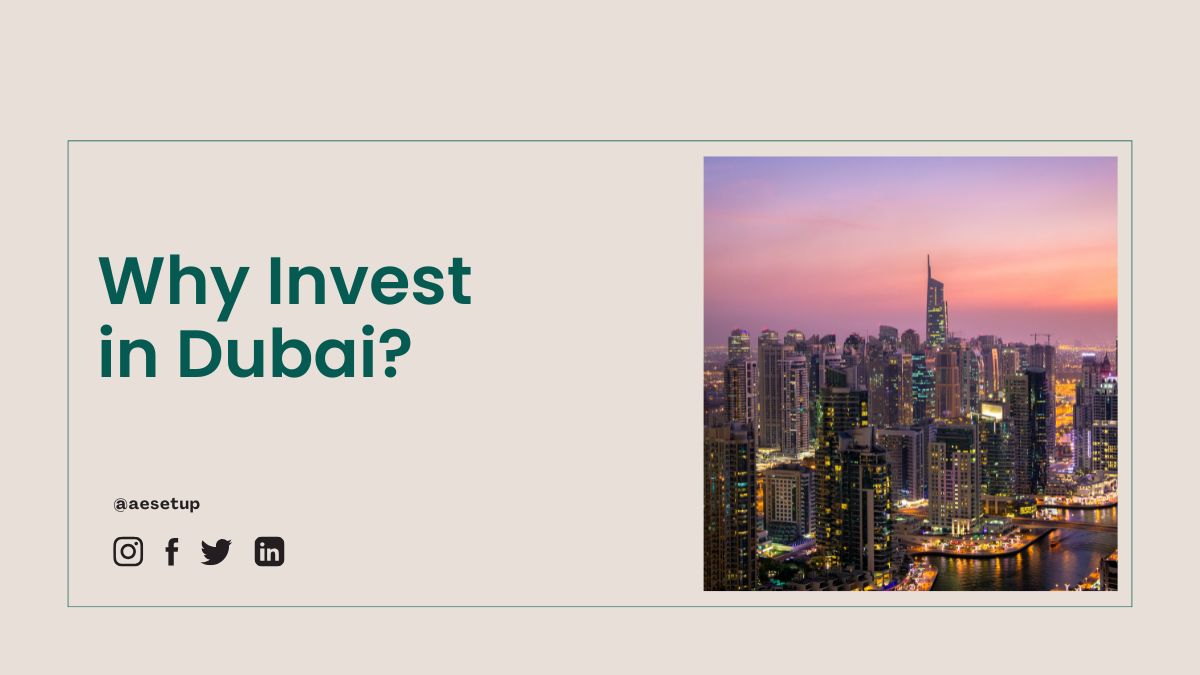

For anyone in finance, especially forex traders, Dubai feels less like a dream and more like the perfect place to call home. In 2026, the Dubai International Financial Centre (DIFC) alone recorded a 32% rise in new company registrations in the first half of the year, adding over 1,000 firms across asset management, hedge funds, and family offices. Today, the DIFC is home to nearly 7,700 active companies. Relocating to Dubai as a forex trader in 2026 offers some unmatched advantages. The UAE has no personal income tax and no capital gains tax, which means the profits you earn through forex stay with you. This is a huge benefit compared to many other countries where traders face heavy tax bills. On top of that, Dubai and Abu Dhabi were ranked the world’s most tax-friendly cities for 2026.
Relocating to Dubai has also become easier in recent years, thanks to new visa options. For example, investors and entrepreneurs can now qualify for the 10-year Golden Visa by investing at least AED 2 million in property.
Therefore, here we will explain to you how to move to Dubai as a forex trader in 2026.
Why Dubai is Ideal for Forex Traders in 2026
Dubai has become an exceptional choice for forex traders in 2026. Here are the key reasons why:
1. Tax Advantages
One of the biggest draws is the 0% personal income tax and no capital gains tax. This means you keep the profits you make from forex trading without worrying about heavy deductions that many other countries impose. It’s a clear financial win for traders who want to maximise their earnings.
2. Strong Regulations & Safe Environment
Dubai has built a reputation for having a well-regulated and transparent financial system. Regulatory bodies like the Dubai Financial Services Authority (DFSA) and the Securities and Commodities Authority (SCA) ensure that trading activities remain safe, legal, and secure. This gives traders the confidence that they are operating in a stable environment.
3. Lifestyle & Infrastructure
Beyond finance, Dubai offers everything traders need to live and work comfortably. From high-speed internet and modern co-working spaces to luxury living, world-class healthcare, and safety, the city creates the perfect balance between work and lifestyle.
4. Residency Options for Traders
With the introduction of visas like the Freelance Visa, Investor Visa, and the 10-year Golden Visa, traders now have multiple pathways to settle in Dubai legally and long-term.
5. Safe Investment Climate
Dubai ranks among the safest cities in the world, not just in terms of lifestyle but also in terms of financial security and investor protection. This stability encourages traders to operate with peace of mind.
Legal Aspects of Forex Trading in Dubai
One of the first questions traders often ask is: “Is forex trading legal in Dubai?” The answer is yes, as long as it’s done through the proper channels and regulated platforms. Dubai takes financial trading seriously, and the government has set up strong regulatory bodies to make sure the market is safe, transparent, and fair for everyone.
The two main regulators that oversee forex trading in the UAE are:
- Dubai Financial Services Authority (DFSA): This body regulates all financial activities within the Dubai International Financial Centre (DIFC), including forex trading. It ensures brokers and trading platforms follow strict rules and maintain high standards of transparency and security.
- Securities and Commodities Authority (SCA): Operating across the wider UAE, the SCA supervises securities, commodities, and forex trading. It licenses brokers and makes sure they operate within legal frameworks that protect traders from fraud or malpractice.
What are the Visa & Residency Options for Forex Traders in Dubai?
If you’re planning to move to Dubai as a forex trader, one of the first things to sort out is your visa and residency. The good news is that in 2025, Dubai offers several visa routes that make it easier for traders to live and work legally in the UAE. Here are the main options:
1. Freelance Visa
Perfect for independent traders who want to work on their own without setting up a company. The freelance visa allows you to live in Dubai and trade independently, while also giving you access to basic services like opening a bank account and renting a home.
2. Investor Visa
If you want to establish a more formal setup, you can apply for an investor visa by starting a forex consultancy or trading-related business in Dubai. This route is popular among traders who want to expand into offering financial advisory or asset management services alongside their own trading activities.
3. Golden Visa (10 Years)
High-earning traders or those investing in Dubai can qualify for the 10-year Golden Visa. One of the fastest ways is through property investment of AED 2 million or more, but traders with significant income or business investments may also qualify. This option is ideal for those looking for long-term stability, family sponsorship, and access to Dubai’s premium residency benefits.
What are the Options for Setting Up as a Forex Trader in Dubai?
When relocating to Dubai as a forex trader, you have two main paths: either trade independently as an individual or set up a company. The choice depends on your goals, income level, and whether you want to expand into offering services beyond personal trading.
Option 1: Trade as an Individual
If your focus is purely on trading for yourself, you can operate as an individual through regulated brokers licensed by the DFSA or SCA. This option is straightforward – open an account with an approved broker, secure your visa (like a freelance visa), and you’re ready to trade. It’s the simpler and more cost-effective route, especially for solo traders.
Option 2: Register a Forex Trading Company
For traders looking to scale up, setting up a company in Dubai is a great option. By doing so, you can not only trade your own funds but also provide financial consulting, advisory, or portfolio management services.
- Mainland Company Setup: Gives you access to the local UAE market and more flexibility in expanding services.
- Free Zone Company Setup: Popular for forex-related businesses because of benefits like 100% ownership, tax advantages, and simplified licensing. DIFC and ADGM are especially known for financial services companies.
To register, you’ll need to apply for a professional or financial services license, depending on the nature of your business, and comply with DFSA or SCA regulations.
How to Relocate to Dubai as a Forex Trader?
Relocating to Dubai as a forex trader involves a series of steps, from securing the right visa to setting up your financial life in the city. Follow these steps carefully:
Step 1: Choose Your Visa Route
Decide whether you’ll apply for a Freelance Visa, Investor Visa, or Golden Visa. The right option depends on whether you want to trade independently, start a company, or secure long-term residency.
Step 2: Apply for the Right License (If Needed)
If you want to run a forex consultancy or financial services company, you’ll need to apply for a license through either a mainland authority (like DED) or a free zone (such as DIFC or ADGM). This license legally allows you to provide services like trading advice, portfolio management, or consultancy.
Independent traders working only with regulated brokers don’t require a license, but registering a company can add credibility and open more doors.
Step 3: Open a Local Bank Account
Dubai’s banks offer accounts tailored for traders and businesses, but you’ll need the right visa and documents. A local account makes deposits, withdrawals, and international transfers much smoother.
Step 4: Secure Accommodation
Finding a place to live is a key step in settling down. Popular areas for traders and expats include Downtown Dubai, Dubai Marina, Jumeirah Lakes Towers (JLT), and Business Bay, all of which offer good connectivity to financial hubs and modern lifestyle amenities.
Step 5: Partner with a Regulated Broker
Make sure to only trade through brokers licensed by the DFSA or SCA. This keeps your trading legal and secure, while also giving you access to local support if needed.
Step 6: Move and Settle In
Once your visa, bank account, and housing are sorted, you can focus on settling into Dubai life. Don’t forget essentials like healthcare, setting up utilities, and, if you’re moving with family, exploring schooling options.
What is the Cost of Relocating to Dubai as a Forex Trader?
Relocating to Dubai as a forex trader involves significant financial planning, with costs varying based on your visa and lifestyle. If you choose a freelance visa, expect to spend between AED 10,000–27,000 in the first year. This includes the freelance permit, establishment card, residency visa, medical test, Emirates ID, and health insurance.
And, setting up a forex company in Dubai costs around AED 18,000–100,000, varying depending on your type of license, business activity, office space, jurisdiction, and visa requirements.
Upon arrival, you will face one-time expenses for your flight and initial accommodation, as well as a security deposit for your long-term rental, which is typically 5% of the annual rent. You should also budget for the setup of utilities and, if needed, furnishing your new home.
How AE Setup Can Help Forex Traders Relocate to Dubai?
Relocating to Dubai as a forex trader in 2026 is more than just a move; it’s a chance to grow in one of the world’s fastest-rising financial hubs. At All Emirates Setup, we make the transition simple and stress-free. From guiding you through visa and residency options to helping you with licensing, legal compliance, PRO services, bank account opening, and office space solutions, our team ensures you can focus on your trading while we handle the paperwork.
If you’re ready to start your journey as a forex trader in Dubai, reach out to AE Setup today.